Home of the Wild

A month ago, Carrie Seltzer (@carrieseltzer) created the “Home Projects” iNaturalist Umbrella Project – a Project of Projects – for “personal” Projects of people’s homes, gardens, or yards:

As we all more closely inspect our immediate surroundings as of April 2020, it seemed like a good time to pull together some projects that capture biodiversity in homes around the world.

Carrie Seltzer on iNaturalist

Growth of a Garden

I’ve been gardening in New York City for four decades, over four different gardens. I’ve incorporated native plants in each garden, though my knowledge, understanding, and focus, has shifted and grown over time.
Bombus citrinus, lemon cuckoo bumble bee, on Helianthus in my front yard, August 2018

Since I started this, my fourth garden, in 2005, native plants have been a significant focus. From the beginning, I envisioned the backyard as an entirely native plant garden.
Final rendering, backyard garden design

Over the years, the native plant portion of the garden embraced more and more species, and covered more ground, escaping the confines of the backyard. As the garden matured, and its diversity increased, I saw a huge increase in the number and diversity of insects visiting the garden. 

The Backyard viewed from the Aerie, April 2020

I found online communities to help me identify what I was finding. My first submission to BugGuide was in 2007. My first submitted iNaturalist Observation came a decade later.

Since I had already established the conditions in my garden, I chose to register it with organizations promoting conservation at home. In 2011, I registered my garden with the National Wildlife Federation as Backyard Wildlife Habitat #141173. A year later, I registered with the Xerces Society for Invertebrate Conservation as a Pollinator Habitat. And in 2017, having established milkweeds in my garden, I registered with the North American Butterfly Association as a Butterfly and Monarch Garden.

Habitat Signs displayed in my front yard, October 2017

Flatbush Gardener’s Garden

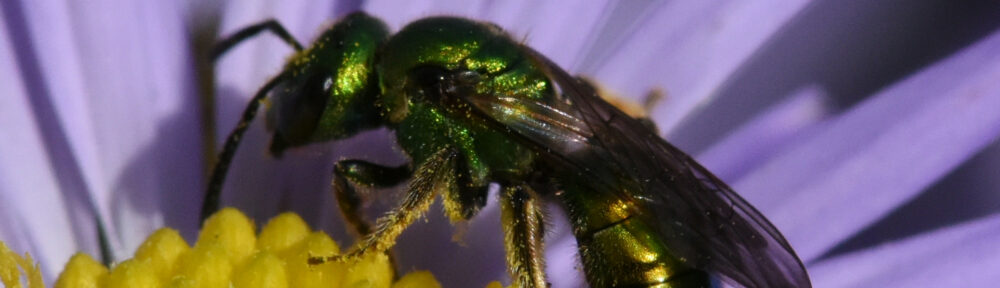
Two years ago, I created an iNaturalist Project for my home and garden: Flatbush Gardener’s Garden. My initial goal in creating a Place and Project on iNaturalist for my home garden was to make it stand out as a biodiversity hotspot. With over 320 Taxa recorded so far, I have succeeded in that goal. As of today, I’ve recorded 40 species of bees alone!

So far I've found 40 Bee species in my garden

Mine was one of the first Projects to be added to “Home Projects” after its launch. As of today, there are 19 Projects from four continents.

Umbrella Projects come with some cool features, including automatic “Leaderboards” which rank constituent Projects by their numbers of Observations, Species, and Observers. At the moment, Flatbush Gardener’s Garden is in first place for number of Observers! Granted, there are only 19 Projects so far, but many of them are large. My garden is roughly 2200 square feet/200 square meters, of plantable area. So, I’m pleased with my garden’s showing, placing 4th in Observations, and 6th in Species!
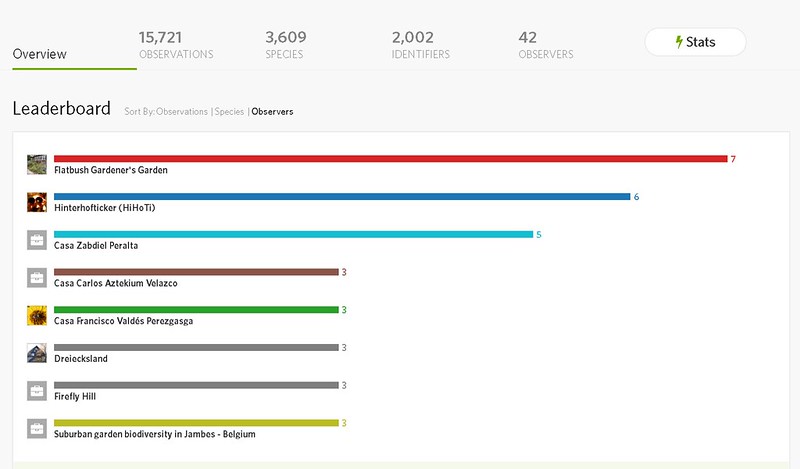
iNaturalist Home Projects Leaderboard: Flatbush Gardener's Garden is #1 for Observers!

My garden has been on tours. I use it to conduct lectures, workshops, and pollinator safaris. It’s a field site for my observations, a demonstration garden, a laboratory, a classroom.
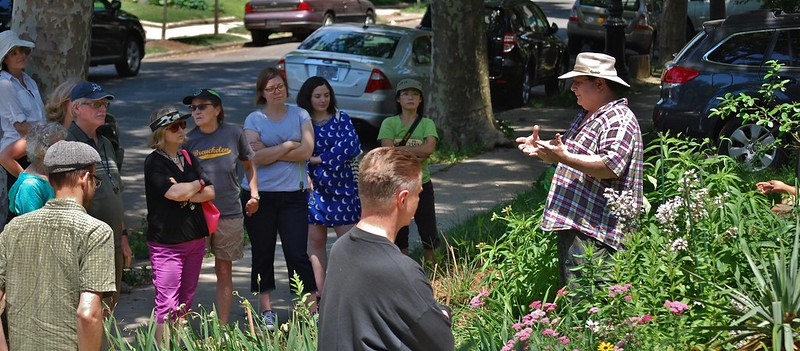
Me hosting the NYCWW Pollinator Week Safari in my Front Yard. Photo: Alan Riback

Last year, I held a hands-on iNaturalist training in my garden. This was followed by one of my popular Pollinator Safaris so folks could practice right away, get real-time help and guidance, and ongoing feedback trough iNaturalist.
Gardening for Wildlife, and Birds, brochures, and magnifiers, generously provided by Jen Kepler of NY Aquarium

Each of those who attended, as well as past Observations from other friends and colleagues, automagically becomes an Observer on my home project. Which is how Flatbush Gardener’s Garden comes to rank high in number of Observers for a Home Project.

This time of year, I would be opening my garden for tours, hosting workshops, or talks on gardening for habitat. I’m missing that, and hope to find ways to do some of it online.

Until then, stay safe, take care, and find peace in nature nearby.
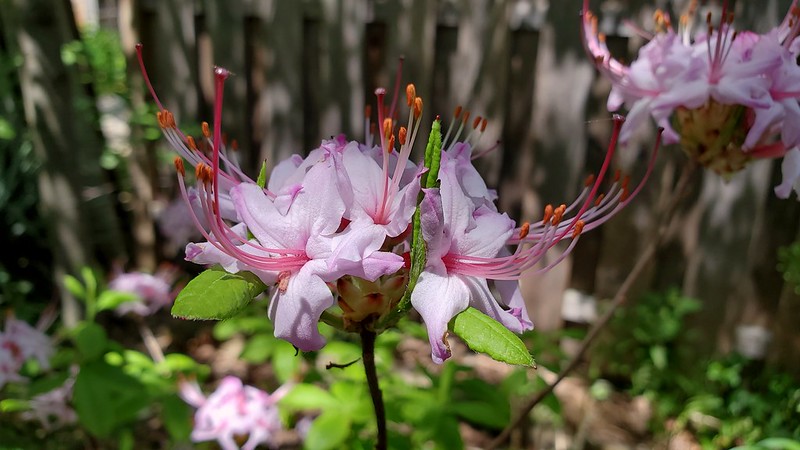
NYC-native Rhododendron periclymenoides blooming in my backyard

Related Content

This blog post started as a brief “News” post on Flatbush Gardener’s Garden. Later that day, I expanded it into a thread on Twitter.

Blog Posts

Milestones

All my iNaturalist Observations (not just from my garden)

All my BugGuide photos (BugGuide provides no way to link to “Observations”)

Links

Greater Celandine v. Celandine Poppy

2020-05-13: Added comparison of seedpods (easiest way to distinguish the two) and sap (not reliable).


I’ve been seeing a lot of misidentifications – or perhaps wishful ones – of the invasive Chelidonium majus, greater celandine as the Eastern U.S. native Stylophorum diphyllum, celandine poppy. Here is a visual guide for distinguishing them.

Habit

Both grow to similar height and width, holding their flowers just above the foliage when blooming.

Chelidonium majus, Celandine

Stylophorum diphllyum, Celandine Poppy

Sap

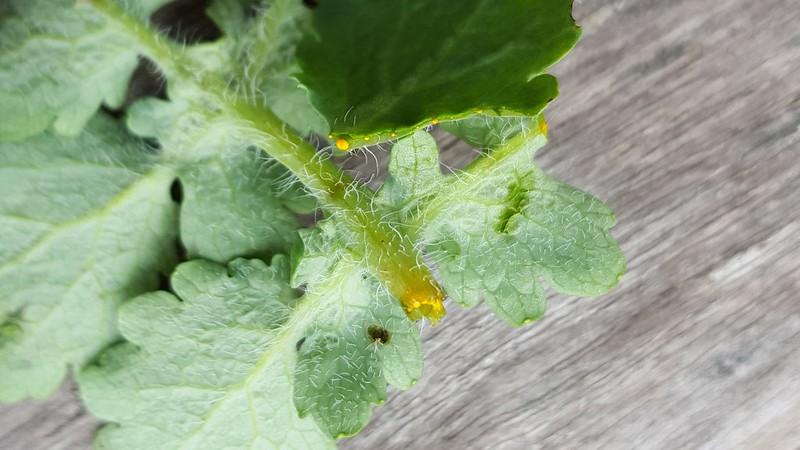
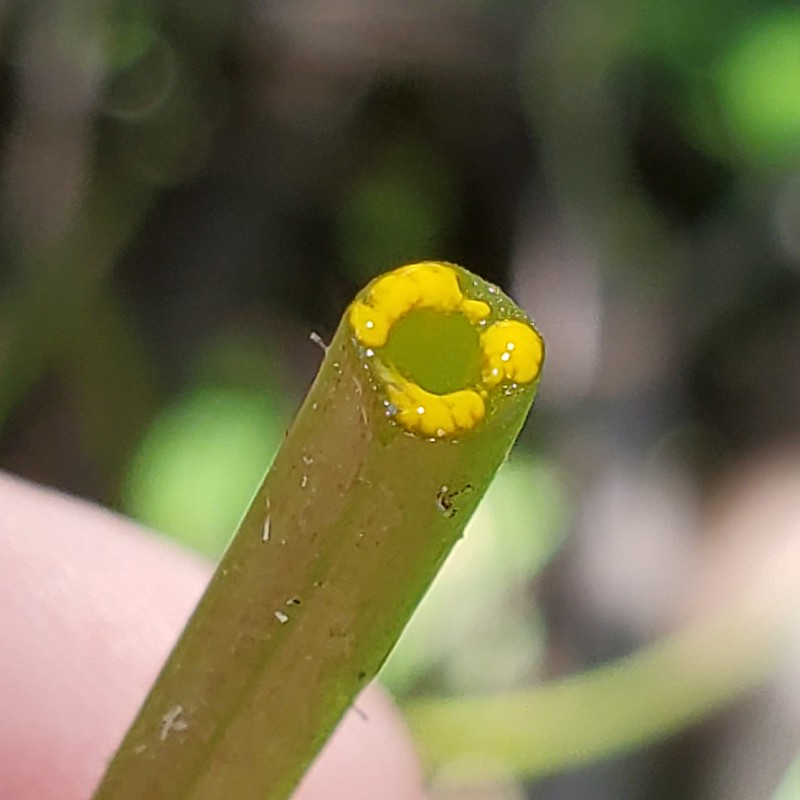
All parts of both species exude a brightly colored sap when broken or crushed. However, I find the color is variable, ranging yellow to orange, and not distinct enough to be diagnostic.

Yellow-orange-sapped leaf of Chelidonium majus, greater celandine, invasive, in my backyard, March 2016

Yellow-orange sap of Stylophorum diphyllum, celandine poppy, in my backyard, May 2020

Foliage

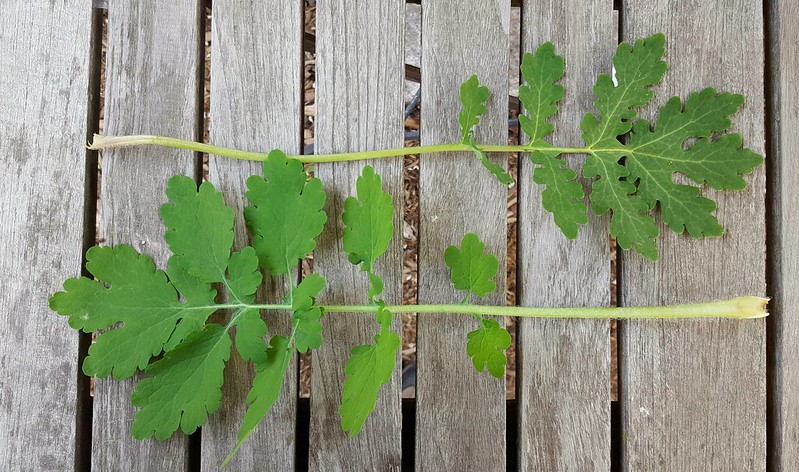
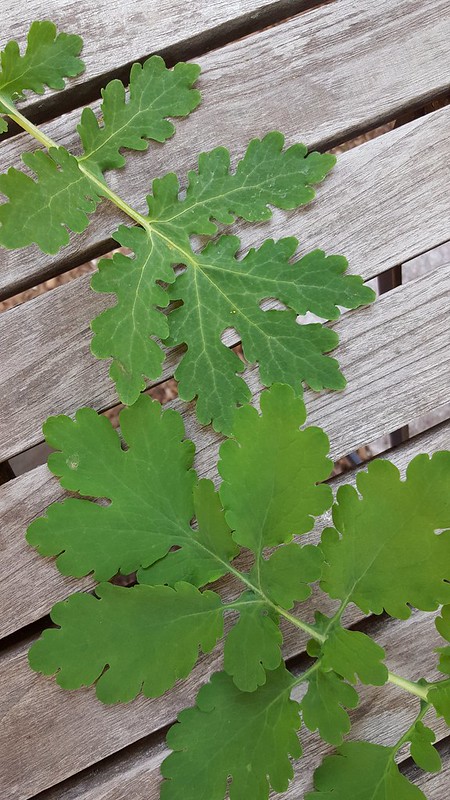
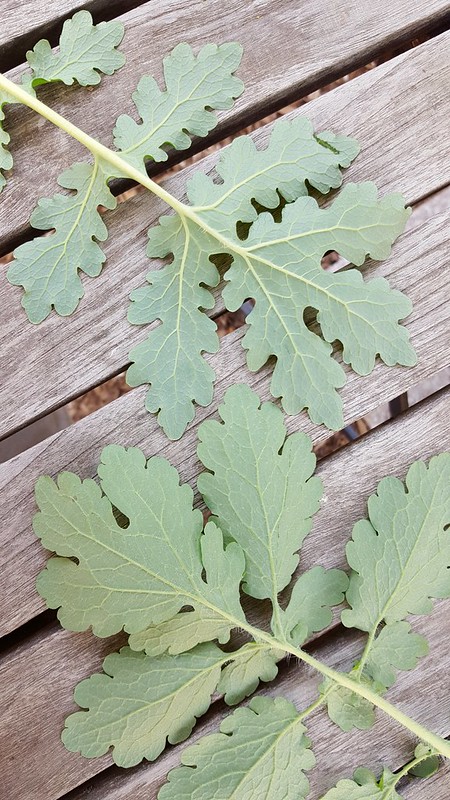
Both have deeply pinnate leaves with lobed leaflets. The lobes on the native celandine poppy are more open, almost oak-like, than on the invasive greater celandine.

Comparative morphology: leaf obverse, Chelidonium majus, greater celandine (below) v. Stylophorum diphyllum, celandine poppy (above), both from my garden, April 2016

Comparative morphology: leaf obverse, Chelidonium majus, greater celandine (below) v. Stylophorum diphyllum, celandine poppy (above), both from my garden, April 2016

Comparative morphology: leaf obverse, Chelidonium majus, greater celandine (below) v. Stylophorum diphyllum, celandine poppy (above), both from my garden, April 2016

Comparative morphology: leaf obverse, Chelidonium majus, greater celandine (below) v. Stylophorum diphyllum, celandine poppy (above), both from my garden, April 2016

Flowers

Stylophorum diphyllum, celandine poppy (left) and Chelidonium majus, greater celandine (right)

Fruit (Seedpods)

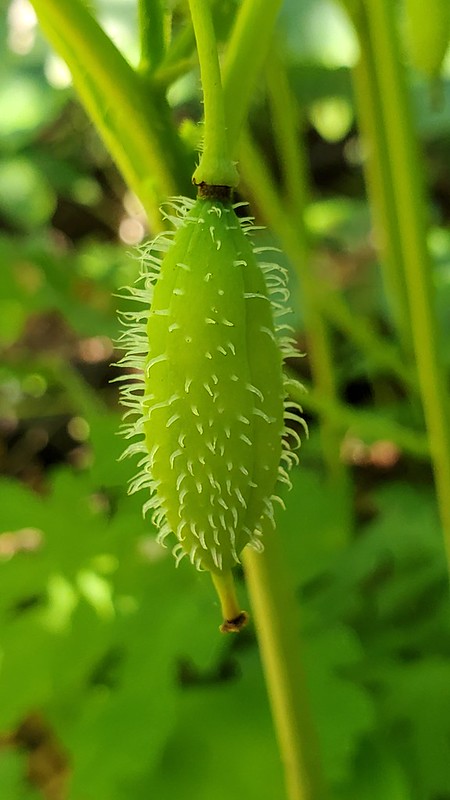
I find this the easiest way to distinguish the two species.

Chelidonium majus, Greater Celandine, Detail of ripening seed pod

Seedpod, Stylophorum diphyllum, celandine poppy, in my backyard, May 2020

Related Content

Flickr:

Links

Grief and Gardening: The Defiant Gardener

Rhododendron periclymenoides, pinxterbloom azalea, blooming in the backyard, May 2020

Normally, this time of year would be busy with garden tours, workshops, talks and lectures, plant swaps and sales. In past years, my garden has been on tour for NYC Wildflower Week. Two years ago I spoke at the Native Plants in the Landscape Conference in Millersville, Pennsylvania. Last June I hosted the most recent of my Pollinator Safaris in my garden.

I had multiple engagements planned for this Spring, and into the Summer. I was going to speak on a panel about pollinators in NYC. This past weekend would have been the 10th Anniversary of the Great Flatbush Plant Swap, of which I was one of the founders. I would have been doing hands-on workshops on gardening with native plants in community gardens.

This year there is none of that. The reason, of course, is the global pandemic, COVID-19, caused by the coronavirus known as SARS-CoV2.

As I write this, I have been working from home for 8 weeks. The same week I started working from home, the first death from COVID-19 was recorded in New York City. Now, less than 2 months later, nearly 20,000 are dead.

We still have 200 dying every day. This is not anywhere near “over”.

The language and lessons of trauma – and recovery – are what we need to embrace right now.


Unavoidably, for me, have been the parallels with the AIDS epidemic. Unparalleled disparities in wealth built over decades, and systemic racism sustained over centuries, ensure that the epidemic does not affect all equally. A corrupt administration targets those it considers its enemies, cynically allowing who oppose it to die, a deliberate genocide.

In March of 1996, I had just started reading Walt Odets’ “In the Shadow of the Epidemic: Being HIV-Negative in the Age of AIDS”, the first book I read which gave voice to feelings shared by many of my cohort, gay men of a certain age: survivor guilt, and a spiritual crisis which has ravaged many of us. I wrote:

March 1996 

so far surviving
what will it mean to be alive
having outlived generation after generation
decades of death
the explosion widening until, finally
and yes, with some grim, righteous satisfaction
finally noone can truthfully say
they are not also affected

imagine how it will be
when your closest friends are strangers
when long ago you gave up hope
of growing old together
as everyone you’ve loved, and despised
has died, seven times over
when you’ve learned, and loved, and lost
and learned, loved, lost
and …
When each new friend is met with the knowledge
that they too will leave soon
but it no longer matters
because, you think, you’ve already grieved their deaths too

the corpses pile up
against the walls you’ve built around yourself
walking along familiar streets
past the bars, your old haunts
you see tombstones, crosses, ashes
and you’re not safe, even in your own mind
especially at night
when the walls must come down
and you must remember the dead

you want to believe you’ve come so far
but it hasn’t even begun

This is where we are – where we all are – now. Our bodies cannot physically sustain for months on end our initial response to the sudden changes we experienced with the epidemic. When we must survive, even against a low-level persistent threat, our brains rewire themselves. We are collectively immersed in what is aptly called endurance trauma.

But I feel no satisfaction from it.


I am grateful that both my husband and I are able to work from home. We continue to adapt, in both large and subtle ways, to being forced to be around each other nearly constantly.

For my part, I take advantage of every good weekend day, and long daylight hours, to garden as much and as long as I can. I have been removing non-native plants – mostly the Iris and daylilies – to make room for planting more native plants. And, for the first time in years, to grow some food crops.

Since there would be no Great Flatbush Plant Swap this year, I decided to give away the plants as I removed them. I have been giving away plants from my own garden for weeks, now. While my initial intent was to solve a problem I had in my garden, it’s turned into much more.

I’m having conversations with neighbors and passersby, checking in with each other about how we are handling the situation. These visits often turn into mini garden tours and educational talks about how to garden for habitat, inviting even more life to co-reside with us, healing the urban ecology as we nourish our own connections to the natural world.

The Front Yard, May 2020

Whatever green people can grow sustains them psychologically. These new “victory gardens” are a form of defiant gardening, which Kenneth Helphand so beautifully wrote about in his book of the same title. It is a way of coping with, and defying, endurance trauma.


The following comes from an open latter I wrote on October 15, 2001, barely a month after the September 11 attacks, to Joanna Tipple, then pastor of the Craryville and Copake Churches in New York State.

As I tend my garden, I recall how it was a minute, a day, a year ago. That flower was, or was not, blooming yesterday. This plant has grown over the years and now crowds its neighbors. A label in the ground shows where another plant has vanished. Should I replace it, or try something new? I weed. I plant. I water. I sit. The garden asks me to see it as it really is, not just how I remember it, or how I wish it to be. Gardening continues to teach me many lessons. Gardening is my prayer.

So I must be in the world. Remembering what was. Observing what is. Hoping for what can be. Acting to bring it into being. When we struggle to understand, we question what is. Science can ask, and eventually answer, “What?” and “How?” It cannot answer the one question that matters, the question for which Man created God: “Why?” Now, as with each new loss, I ask again: Why am I here? Why am I alive?

The only answer I’ve come across which satisfies me at all comes from Zen: The purpose of life is to relieve suffering. Not to relieve pain, or grief, or loss. These cannot be avoided. But to relieve suffering, which we ourselves bring into the world. Because death is senseless, the only sense to be found is that which we manifest in our own lives. The only meaning there can be in life is what we impart.

Victor Frankl, a survivor of the Nazi holocaust, wrote “What is to give light must endure burning.” Light doesn’t justify burning. Light transcends burning.

We are enduring, now. Whether we know it or not. Whether we acknowledge what we feel, or not. We must also do more than endure. How we celebrate ourselves transcends what we must endure and survive. It serves only our enemies – and serves us least of all – to be polite, nice, and “normal,” to be unassuming and inoffensive, to be silent and invisible.

Illustration by Enkhbayar Munkh-Erdene for YES! Magazine, from a self-portrait I took of myself in my backyard.

Related Content

NYC in the time of COVID-19

2020-04-06: Grief and Gardening: A Feast of Losses
2020-04-13: Correspondence, April 2020

I adapted some of what I wrote on the blog, and several of my tweets on this subject, for a short post on McSweeney’s: “Do Not Deny What You Feel“. The McSweeney’s piece was later picked up by YES! Magazine. Search for “Flatbush”. or “AIDS”.

Grief & Gardening Series
  1. 2006-09-04: Grief & Gardening #1: 1, 5 and 25
  2. http://flatbushgardener.blogspot.com/2006/09/grief-gardening-2-five-years-after-ths.html
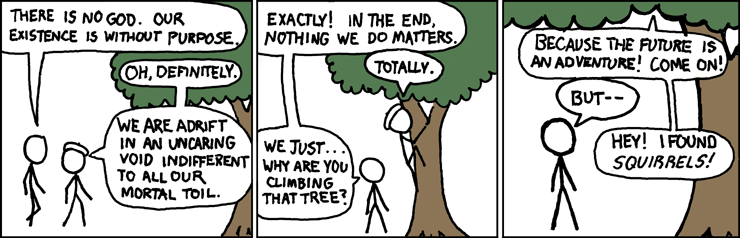
  3.  2006-10-08: Grief & Gardening #3: Nihilism and Squirrels
  4. http://flatbushgardener.blogspot.com/2006/10/gardening-matters-death-of-takeo.html
  5. http://flatbushgardener.blogspot.com/2006/11/daffodil-project-grief-gardening-5.html
  6. http://flatbushgardener.blogspot.com/2007/02/ipcc-report-grief-gardening-6.html
  7. http://flatbushgardener.blogspot.com/2007/06/grief-gardening-7-garden-of-memory.html
  8. http://flatbushgardener.blogspot.com/2010/09/grief-gardening-nine-years.html
  9. http://flatbushgardener.blogspot.com/2019/07/grief-and-gardening-remains-of-day.html
  10. http://flatbushgardener.blogspot.com/2019/12/grief-and-gardening-ashes-remembrance.html

    and the most recent additions:

  11. http://flatbushgardener.blogspot.com/2020/03/grief-and-gardening-dissetling-spring.html
  12. http://flatbushgardener.blogspot.com/2020/04/grief-and-gardening-feast-of-losses.html
Other relevant blog posts

Links